hover to animate -- input script
physical analog
2023 LAMMPS Workshop
& Symposium, held virtually from Aug 8-11, 2023. Visit workshop website.
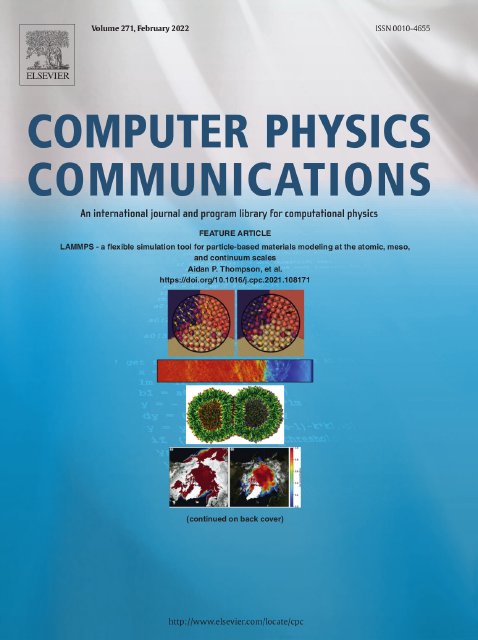
There is a new LAMMPS overview
paper which you can cite in your publications. See
citation details here and
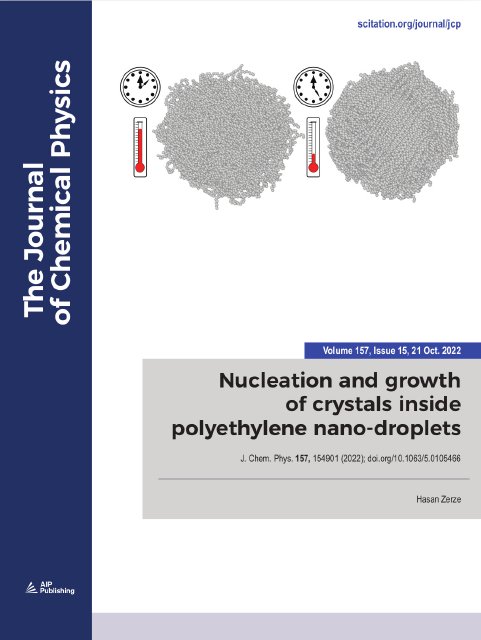
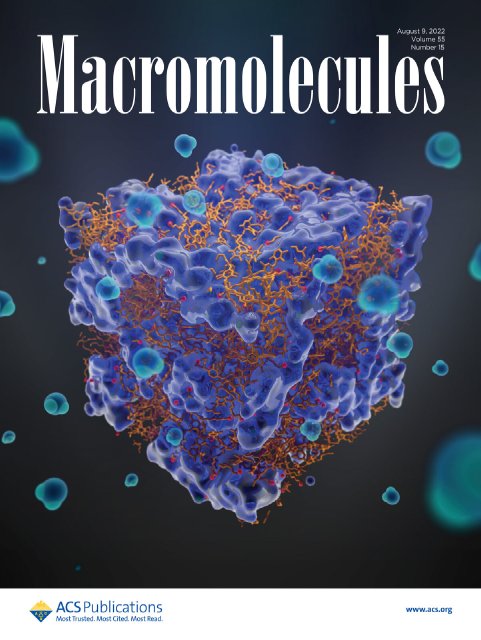
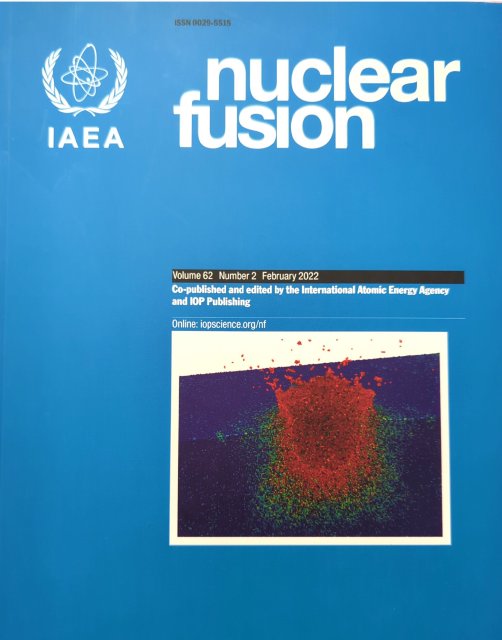
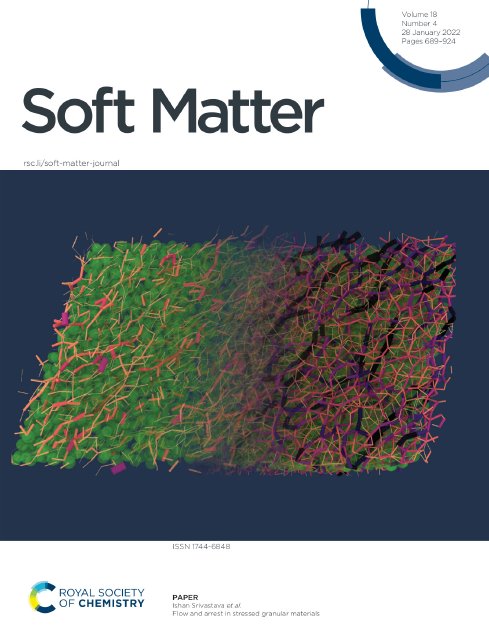
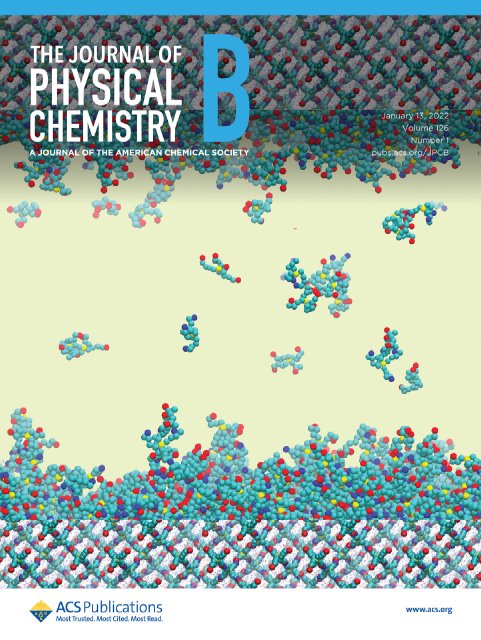
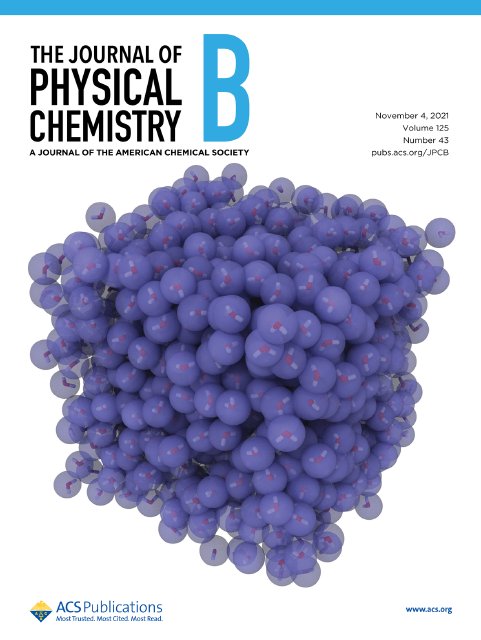
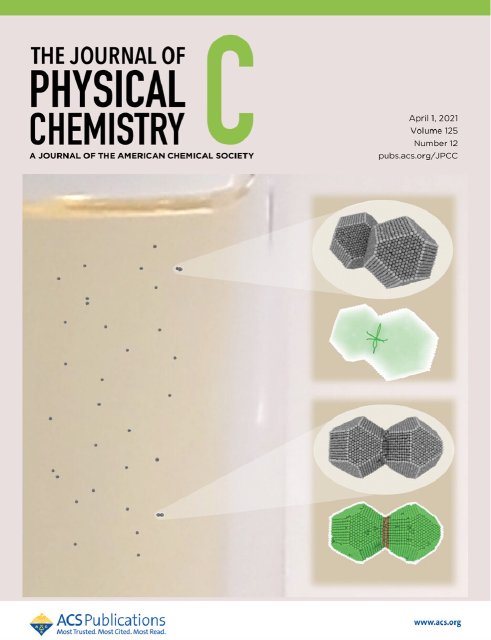
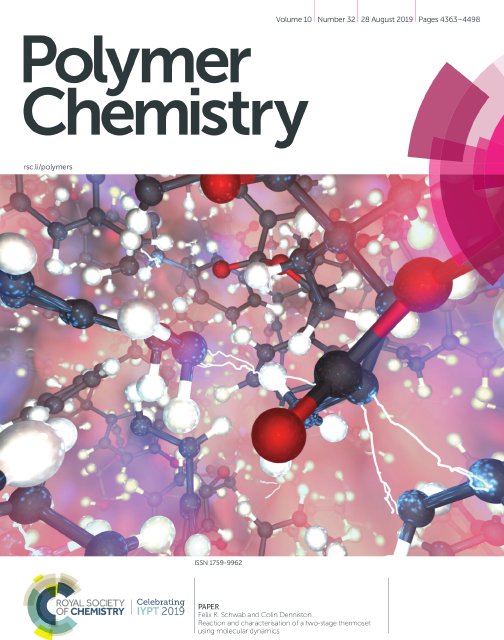
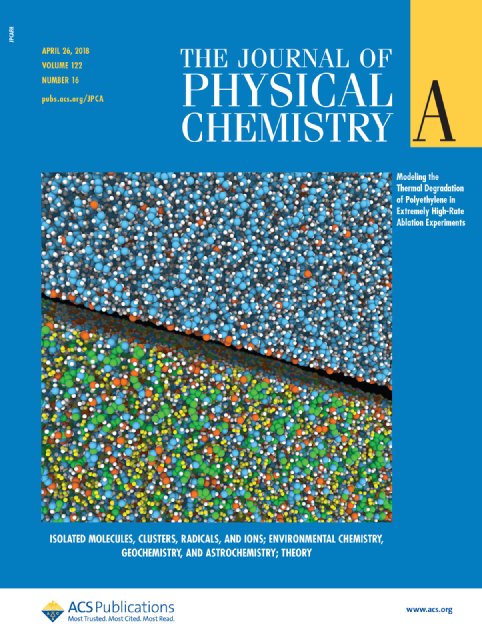
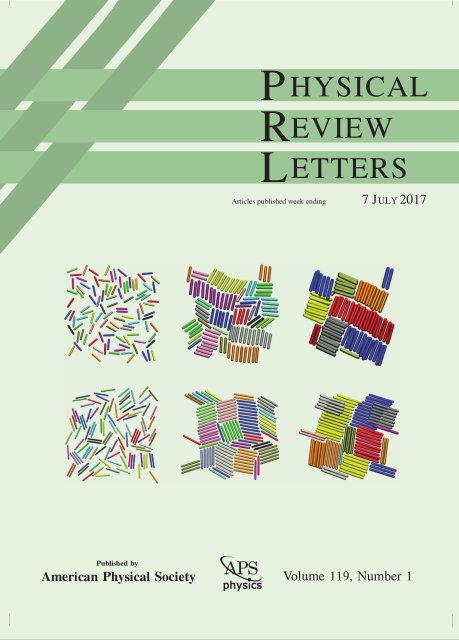
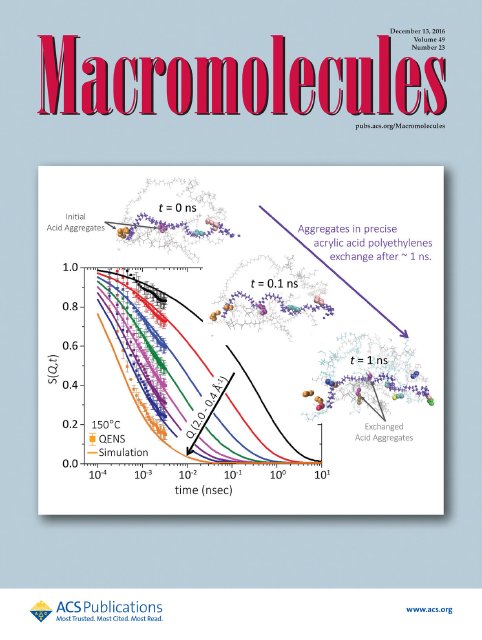
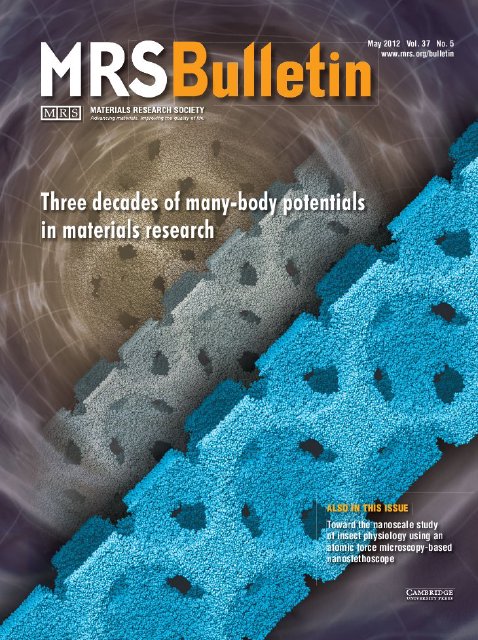
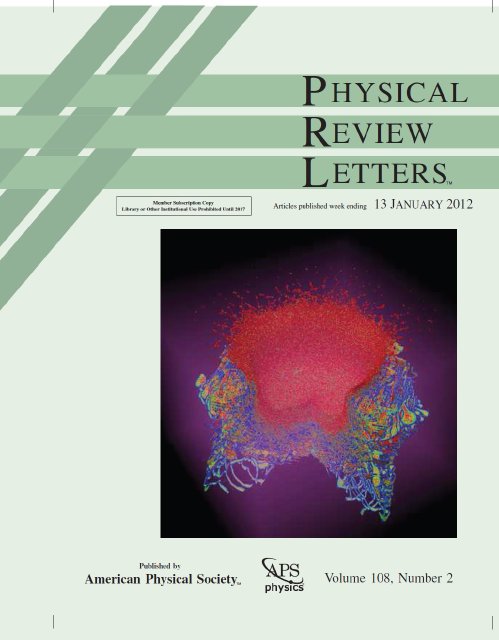
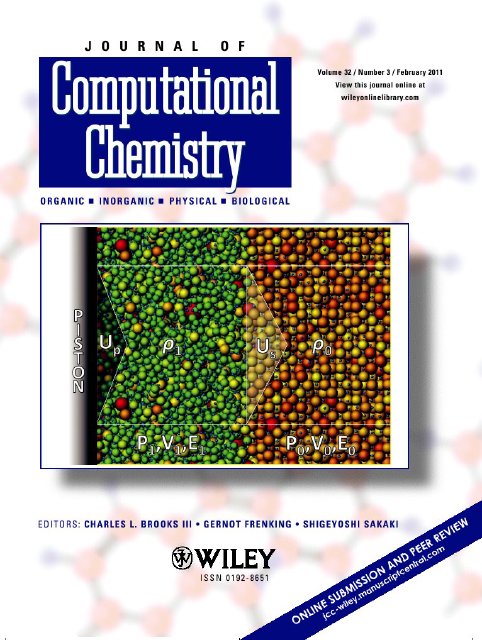
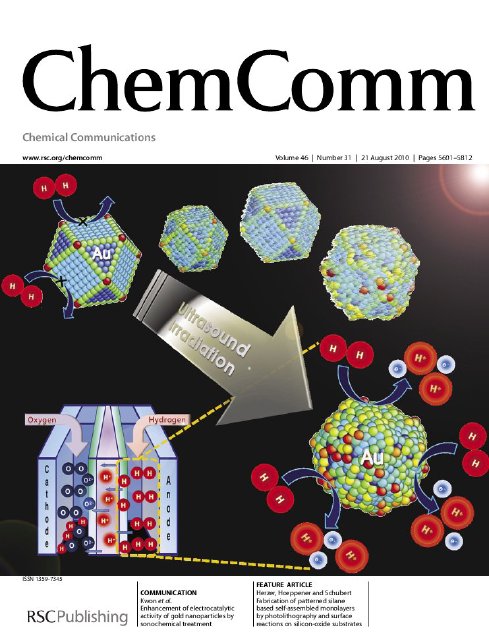
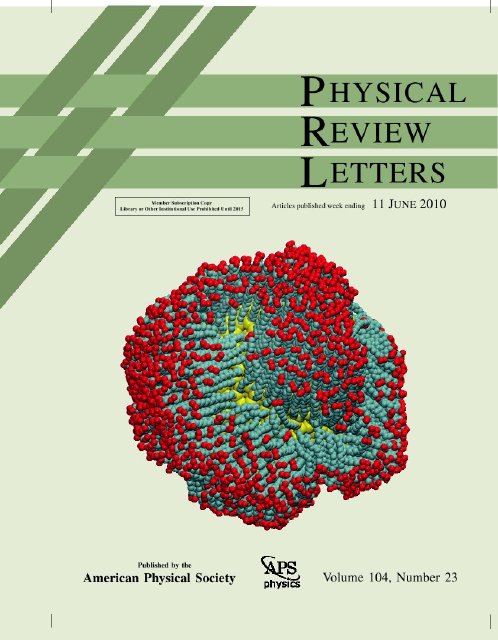
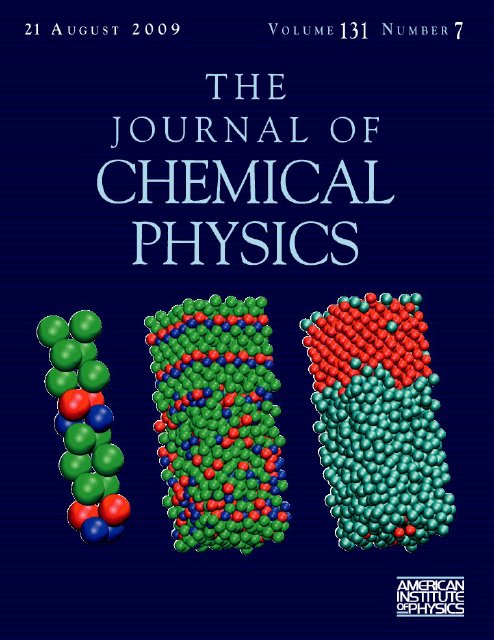
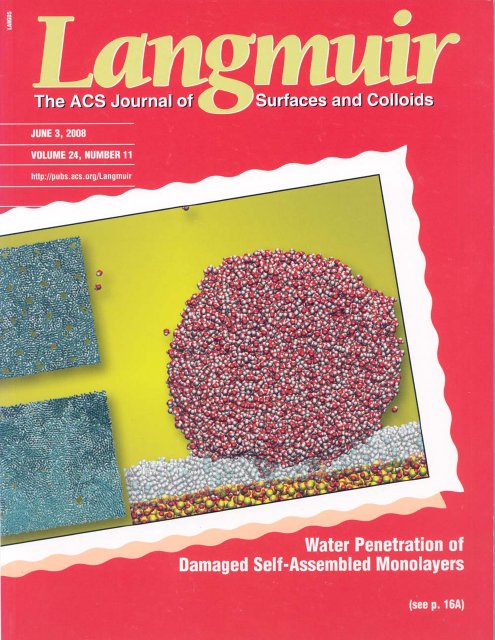
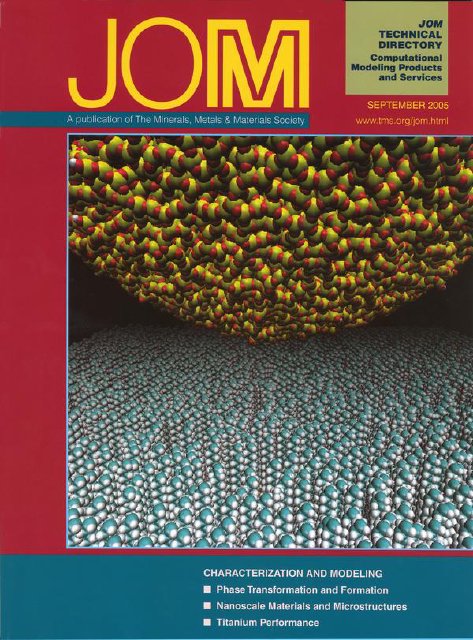
cool images here.
| Big Picture | Code | Documentation | Results | Related Software | Context | User Support |
| Features | Download | Manual | Publications | Pre/Post processing | Authors | MatSci forum |
| Non-features | GitHub | Programmer guide | Picture gallery | External packages & tools | History | Slack channel |
| Packages | SourceForge | Tutorials | Movie gallery | Pizza.py toolkit | Funding | IRC channel |
| FAQ | Latest features & bug fixes | MD to LAMMPS glossary | Benchmarks | Visualization | Open source | Workshops |
| Wish list | Report bugs & request features | Commands | Citing LAMMPS | Other MD codes | Contribute to LAMMPS | Books about MD |
LAMMPS is a classical molecular dynamics code with a focus on materials modeling. It's an acronym for Large-scale Atomic/Molecular Massively Parallel Simulator.
LAMMPS has potentials for solid-state materials (metals, semiconductors) and soft matter (biomolecules, polymers) and coarse-grained or mesoscopic systems. It can be used to model atoms or, more generically, as a parallel particle simulator at the atomic, meso, or continuum scale.
LAMMPS runs on single processors or in parallel using message-passing techniques and a spatial-decomposition of the simulation domain. Many of its models have versions that provide accelerated performance on CPUs, GPUs, and Intel Xeon Phis. The code is designed to be easy to modify or extend with new functionality.
LAMMPS is distributed as an open source code under the terms of the GPLv2. The current version can be downloaded here. Links are also included to older versions. All LAMMPS development is done via GitHub, so all versions can also be accessed there.
The main authors of LAMMPS can be contacted via email to "developers at lammps.org" and are listed individually on this page along with contact info and other contributors. Funding for LAMMPS development has come primarily from the US Deparment of Energy (OASCR, OBER, ASCI, LDRD, ECP, Genomes-to-Life) and is acknowledged here.
LAMMPS received an R&D 100 award
in 2018. Click here for more info and a video.
(4/24) Support for input and
output of general triclinic geometries. See details
here and
here
(8/23) New stable release,
2Aug2023 version. See details
here
(3/23) New fix
mdi/qm and
mdi/qmmm commands to make
it easier to couple LAMMPS with quantum codes via the MDI code
coupling
library.
Examples for PySCF, LATTE, and NWChem are included in
examples/QUANTUM.
(12/22) New distributed grid
3d/2d classes and associated commands to make it easier to develop new
hybrid particle/grid models. See details
here and
here
(8/22) New AMOEBA package with
implementations of the AMOEBA and HIPPO polarized force fields from
the Tinker MD code. See details
here
(6/22) New stable release, 23Jun22
version. See details
here
(9/21) New stable release, 29Sep21
version. See details
here
(5/21) Support for the MolSSI Driver
Interface (MDI) code-coupling
library to
enable LAMMPS to act as an MD engine in a client/server manner. See
details here
(5/21) New and improved multi
length-scale neighboring algorithm. See details
here
This is work by Kirill Lykov (kirill.lykov at usi.ch), Xuejin Li et al at the USI, Switzerland and Brown University, USA to develop new Open Boundary Condition (OBC) methods for particle-based methods suitable to simulate flow of deformable bodies in complex computational domains with several inlets and outlets.
The image (left) and movie (right) show the application of the OBCs to red blood cell flow in a straight pipe, bifurcation, and a part of a capillary network. The program Blender was used for the rendering.
This paper has further details.
Inflow/Outflow Boundary Conditions for Particle-Based Blood Flow Simulations: Application to Arterial Bifurcations and Trees, K. Lykov, X. Li, H. Lei, I. V. Pivkin, G. E. Karniadakis, PLoS Computational Biology 11(8): e1004410 (2015). (doi:10.1371/journal.pcbi.1004410) (abstract)